
The Leatherback Turtles of Playa Grande: A Guest’s Guide to Las Baulas National Park
14 Oct 2026 Attraction
The Leatherback Turtles of Playa Grande: A Guest’s Guide to Las Baulas National Park
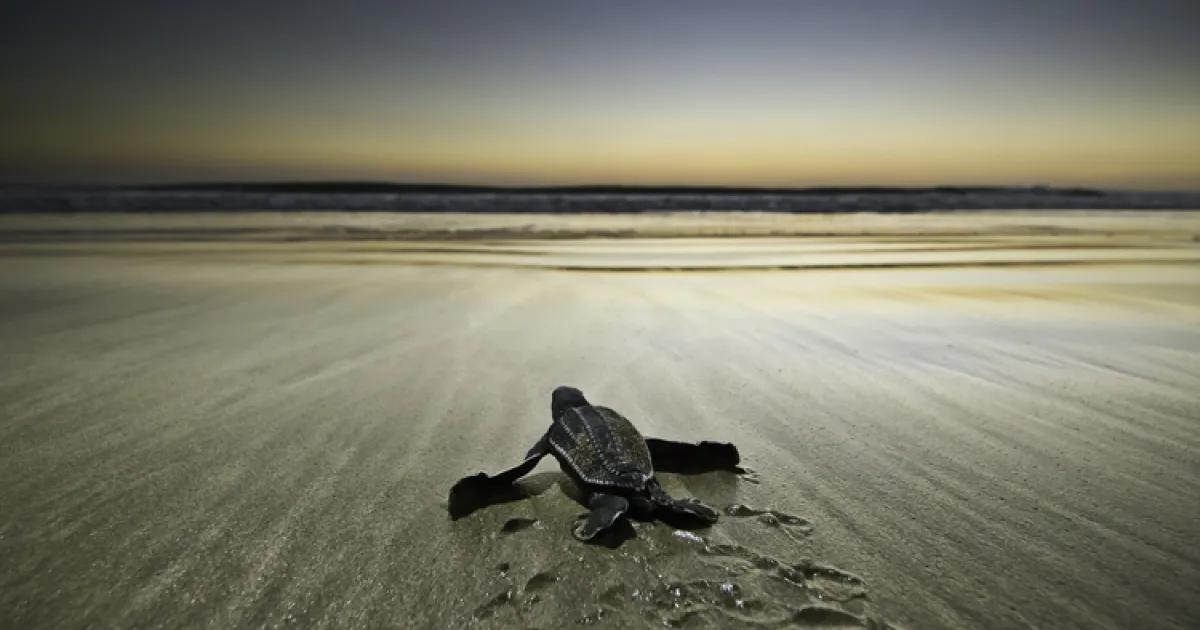
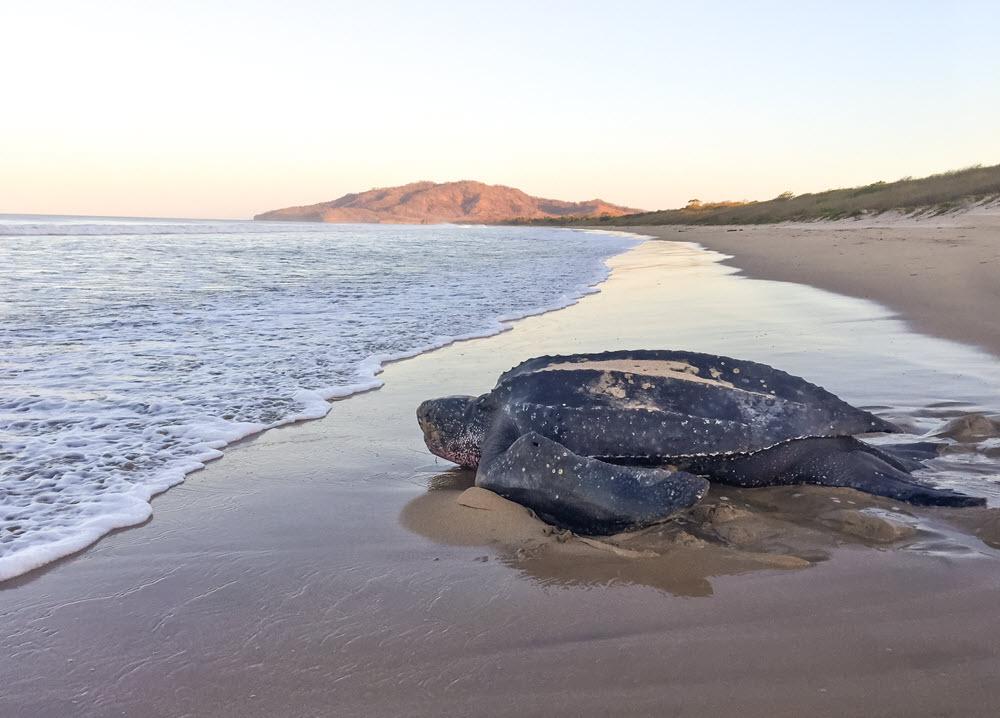
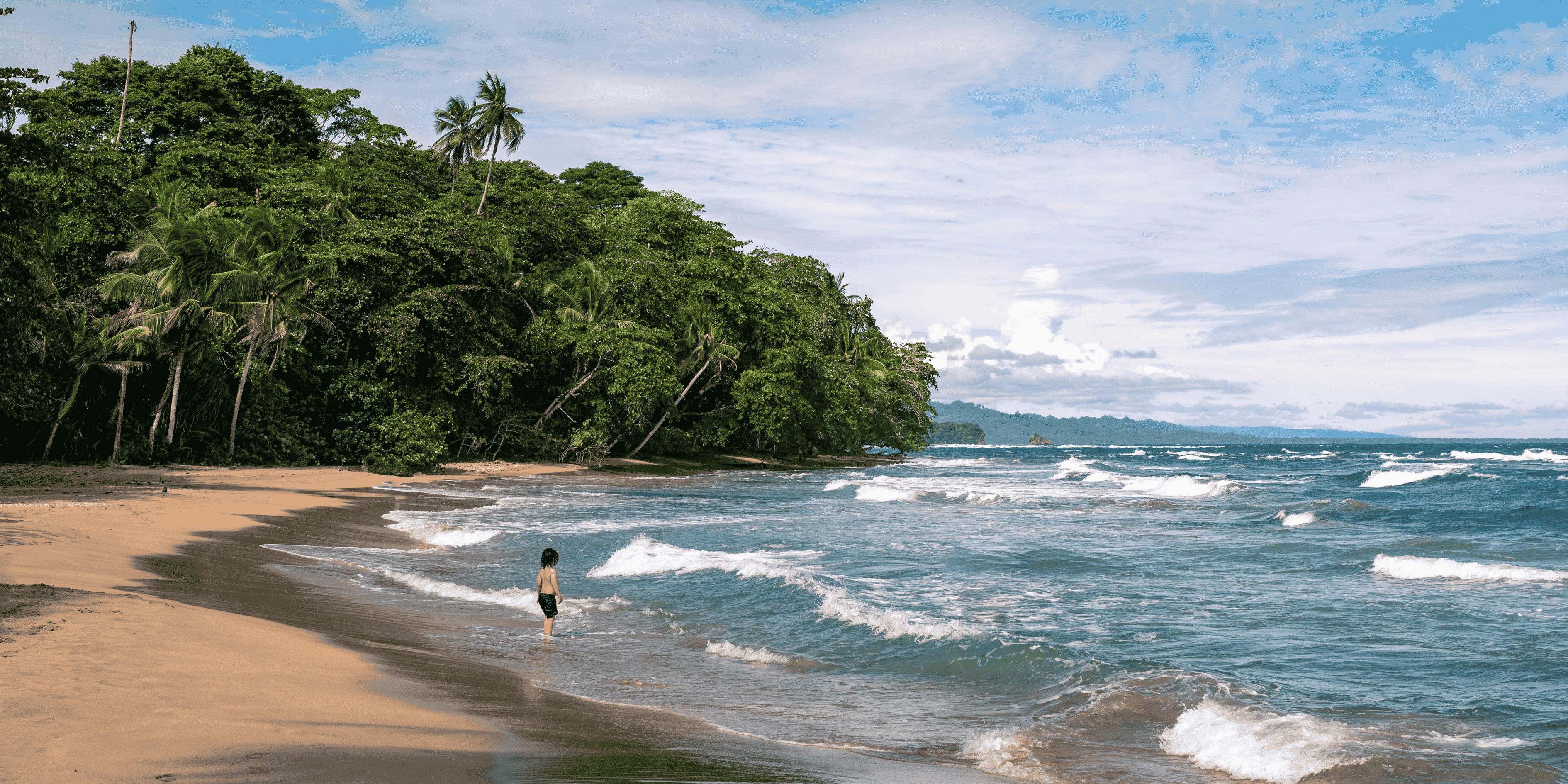
Long before Playa Grande became known for its surf, it was known for something far older: leatherback sea turtles that have been returning to this exact stretch of sand for thousands of years to lay their eggs. The beach and its waters are protected as Las Baulas National Marine Park (Parque Nacional Marino Las Baulas), one of the most important leatherback nesting sites on the entire Pacific coast — and staying in Playa Grande puts you right in the middle of it.
What Makes This Beach Different
Las Baulas National Marine Park was created in the 1990s specifically to protect the leatherback, or “baula,” the largest sea turtle species on Earth. The park covers roughly 445 hectares of beach and forest plus a much larger protected marine area, and it’s home to far more than turtles — howler monkeys, crocodiles, iguanas, and close to 150 bird species share the mangroves and estuary just behind the sand.
When to See Them
Nesting season runs roughly from October through February, with the heaviest activity typically in November and December. During these months, female leatherbacks come ashore at night to dig nests and lay their eggs — a process that hasn’t changed in millions of years. Because the population is fragile and easily disturbed by light and foot traffic, the beach is closed to unguided visitors between 6:00 p.m. and 6:00 a.m. during nesting season. Seeing a nesting turtle requires booking a registered nighttime tour with an official park guide — a rule that exists because tourism, done carelessly, is part of what has put these turtles at risk in the first place. Guides keep group sizes small, use red-filtered lights, and know how to approach without disturbing the turtles mid-nest.
Not Just a Nighttime Activity
If your visit doesn’t line up with nesting season, or you’re traveling with kids who won’t make it through a late-night tour, the small museum near the park entrance walks through the leatherback’s full life cycle for a modest entrance fee — a good option any time of year.
Why Staying in Playa Grande Makes This Easy
Because the park protects the entire beach, staying anywhere in Playa Grande puts you within easy reach of the ranger station and tour meeting points — no long drive required, just a walk down the road. Guests staying nearby often build one night of their trip around a turtle tour and spend the rest of their days on the same beach, minus the crowds you’d find at a more built-up tourist destination.
A Quick Note on Respect
However memorable a nesting encounter is, it’s worth remembering these are endangered animals doing something they’ve done since before humans existed. Following the guide’s instructions, keeping lights and phones off, and giving the turtles space isn’t just a rule — it’s the reason there’s still anything left to see.
Planning a trip during nesting season?
Book your turtle tour in advance, especially in peak months — spots fill quickly.
Recent Posts
-

-
-
-

-
 Best Things to Do While Staying in Costa Rica 08 Aug 2025